From Silicon Valley to Shanghai, Hsinchu and Munich, the annual GF Technology Summit (GTS) brought together customers, partners and industry leaders across the globe to explore the technologies shaping the next era of intelligent systems.
What will it take to fuel the next generation of AI?
More than 1,500 attendees joined this year’s events to hear from industry experts; explore innovations through partner demonstrations and technical deep dives; and connect with peers from across the semiconductor ecosystem.
While every region brought its own perspective, one theme connected the conversations around the world: the future of AI will depend on much more than computing performance alone. As AI expands from data center infrastructure to intelligent devices, the industry will need to solve new challenges spanning power, connectivity, sensing, real-time intelligence and manufacturing resilience.

From AI infrastructure to intelligence in the physical world
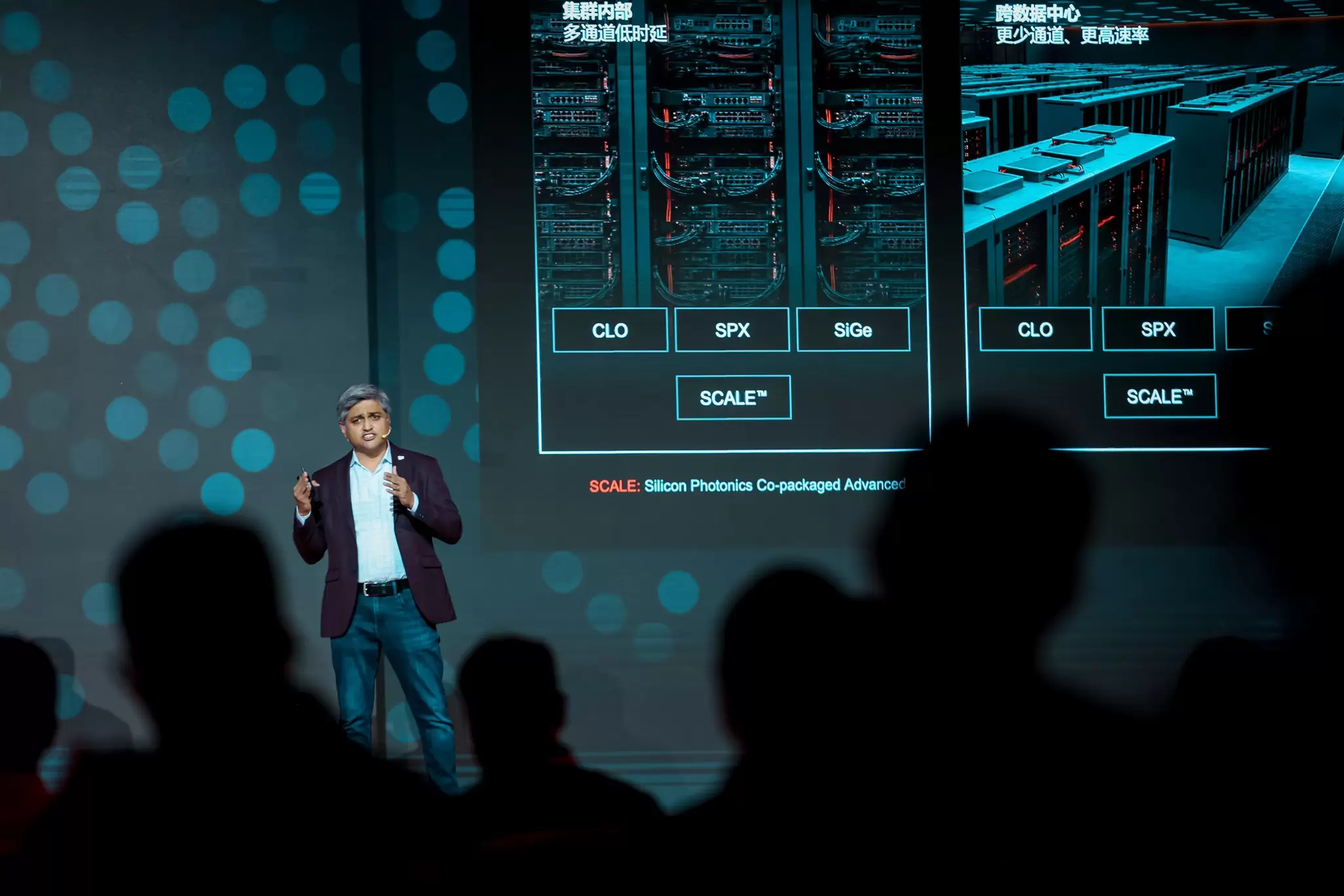
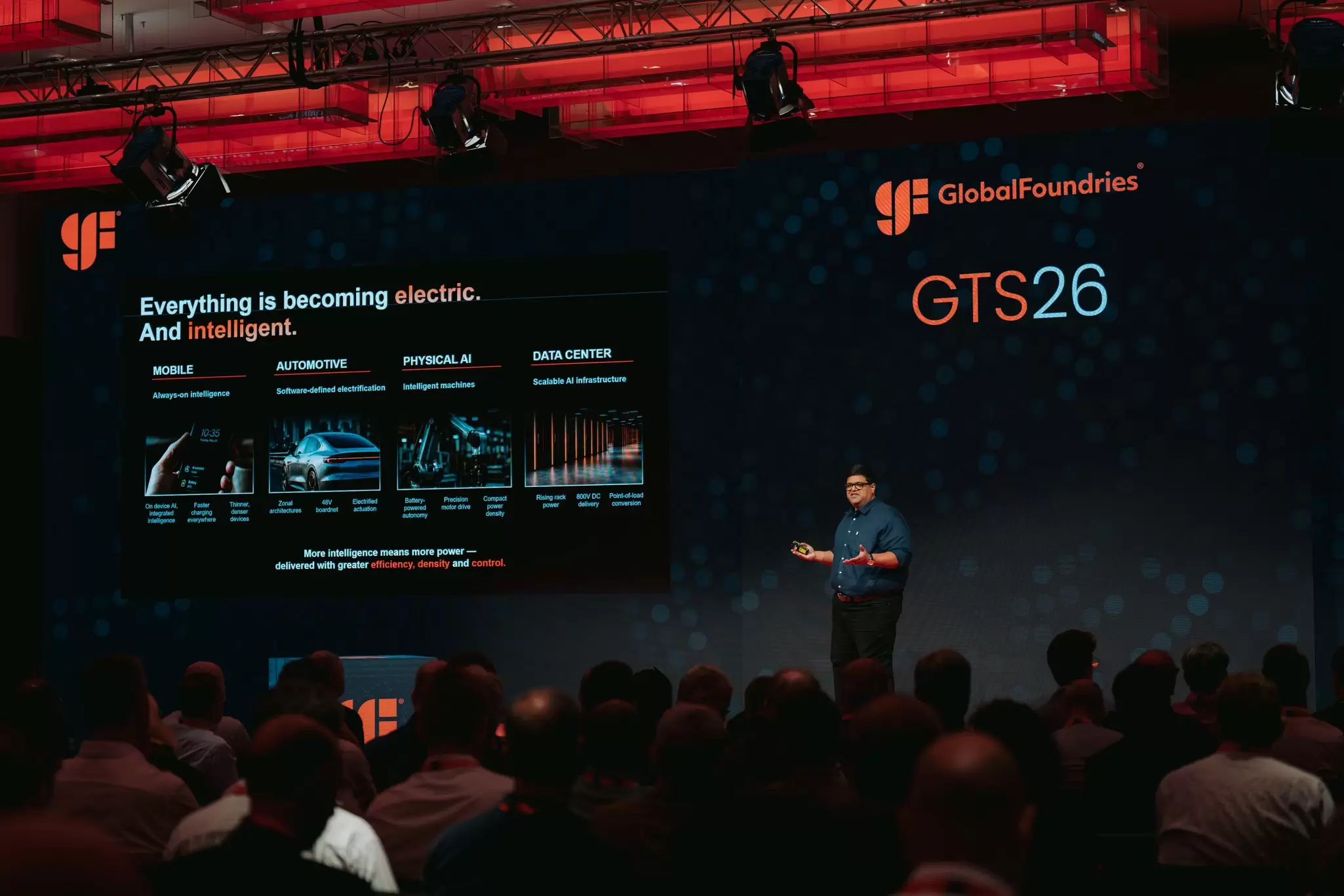
As AI infrastructure scales, data must travel farther, while power must be delivered closer to the processor. Shankaran Janardhanan, SVP of GF’s Photonics and RF business, outlined how optical connectivity can address growing bandwidth demands. Kannan Soundarapandian, SVP of GF’s Power business, described new approaches to power delivery for increasingly power-dense AI systems. Together, their perspectives showed why connectivity and power must evolve in tandem.
As GTS examined the impact of intelligent systems bridging to the physical world, Jason Hartlove, VP of PRISM Hardware Engineering at Meta, discussed the potential for smart glasses to bring Physical AI into everyday life at GTS North America. From contextual assistance and real-time translation to accessibility features, the utility of wearable devices can expand with the right semiconductor technologies to meet demanding requirements for power efficiency, sensing and RF performance.
MIPS CEO Sameer Wasson continued the discussion by highlighting the role of open technology, energy efficiency and trusted platforms, spotlighting MIPS’ newly launched Acies™, Actus™ and Aegis™ platforms for AI inference, real-time and safety-critical Physical AI applications. Built as a portfolio of workload-native platforms that combines MIPS processor IP, RISC-V, software and system-level capabilities, it addresses three distinct robotics workloads: AI inference, deterministic real-time control and safety-critical operation. This platform approach complements GF technologies, creating a scalable foundation for bringing responsive, reliable and energy-efficient intelligence into the physical world.

These examples of AI moving into the physical world were reinforced by technology unveiled at GTS. GF announced customer availability of its 40UX and 22UX platforms, designed to support next-generation intelligent edge and Physical AI applications spanning ultra-low-power computing, connectivity, sensing, imaging and edge AI. Alongside this milestone, GF and RAAAM Memory Technologies announced the joint development of GCRAM on the FDX™ platform, targeting a 40% area reduction and up to 60% lower power compared with commodity SRAM as edge AI, automotive and IoT devices demand greater on-chip memory capacity.
Connecting the next generation of innovators
This year at GTS North America we debuted GFx, a GF Accelerate initiative designed to help disruptive startups and innovators translate bold ideas into real-world impact.
Sponsored by Cloudberry Ventures, Playground Global and Silicon Catalyst, the track featured a panel hosted by Gregg Bartlett, CTO of GF, with leaders from Playground Global, Applied Materials, Silicon Catalyst and Microsoft to dissect a key challenge for hardware startups: moving promising ideas to manufacturable products. Then, presenters from Neurophos, PsiQuantum, SpiNNcloud Systems, Alif Semiconductor and Kepler Computing shared their perspectives on navigating the scaling challenges of bringing new technologies to market across optical and quantum computing, AI, embedded processing and next-generation materials.
This reinforced a core principle behind GFx: great ideas rarely scale in isolation. This philosophy extends across GF’s broader innovation ecosystem, including GF Labs.
"Universities and research institutes help create ideas, venture partners and startups help accelerate them and GF Labs helps move promising innovations toward manufacturing."

- Jamie Schaeffer, VP of GF Labs
Bringing together perspectives on AI in China and APAC
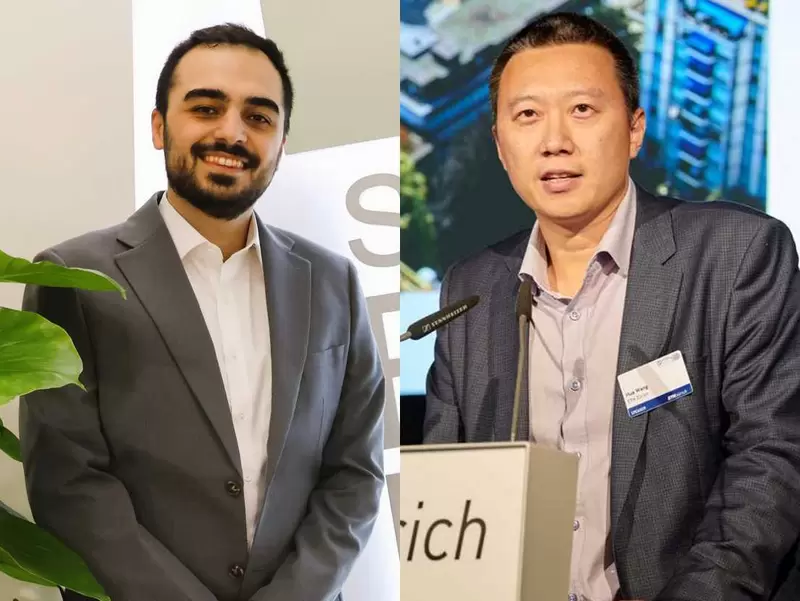
In Shanghai, Hong Hu, CEO of GigaDevice, examined developments across computing, memory, connectivity and power, while Gerald G. Wong, Founder and CEO of CIG, highlighted the growing need for faster, more integrated optical communications that can be manufactured reliably at scale. Yew Kong Tan, SVP and General Manager of APAC Manufacturing at GF, echoed this from a manufacturing perspective – sharing how automation, digital tools and AI are being applied across GF manufacturing and underscoring the value of a global footprint for supply resiliency.
This year we also introduced a new location to our GTS program in Hsinchu, Taiwan, providing the opportunity to connect directly with customers and partners in the heart of the semiconductor ecosystem in Asia.


Building the future of Physical AI in Europe
In Munich, Lars Reger, EVP and CTO at NXP, broadened the conversation beyond the impact of humanoid robots to purpose-built intelligent devices, emphasizing the need for energy efficiency in addition to real-time operation, safety and security for these devices to succeed. The echo was clear: “low power is the new superpower.”
Manfred Horstmann, SVP and General Manager of European Fabs at GF, connected that vision to the infrastructure bringing this to reality, including GF’s continued investment in European manufacturing through SPRINT, the €1.1 billion expansion of our Dresden site. Ed Kaste, SVP of GF’s CMOS business, then turned to GF’s expanded FD-SOI roadmap, including FDX Fusion™, the first process technology in Europe to deliver single-digit nanometer digital performance optimized for the physical world. Together, these milestones reinforce GF’s commitment to building the manufacturing and technology foundation for the future of AI.
Going deeper with GF technologies and ecosystem partners
Beyond the stage, attendees engaged directly with GF technical experts through immersive deep dives. These sessions examined how GF technology roadmaps address challenges across compute, connectivity, power and system integration, spanning FDX, FinFET, feature-rich CMOS, silicon photonics, RF, power, advanced packaging, MIPS, eNVM and design methodology.
With over 50 sponsors worldwide, GTS also showcased the breadth of GF’s GlobalSolutions™ ecosystem and value-added partner network. Through demonstrations and technical exchanges, partners showed how complementary technologies and expertise can come together to help customers address complex system-level needs and move ideas toward deployment.

Looking ahead
From powering AI infrastructure to bringing trusted, energy-efficient intelligence into the physical world, progress will depend on the right technologies, resilient manufacturing and strong partnerships working together to engineer what’s next.
Thank you to those who joined us throughout this year’s GTS series. We look forward to building on the momentum of this year’s events and continuing to turn shared ideas into meaningful progress.